When your day really ends
The clock says one thing; your attention says another. Noticing the moment work genuinely stops can reveal how much evening you actually have.
Choosing habits before understanding your week is like packing for a trip without checking the weather. This page is a calm walk through the daily signals worth noticing. It is general information to think with, not a set of instructions.
Before adding anything new, it can help to listen to a few signals that show up well before evening arrives. None of them is a rule. They are simply useful to notice.
The clock says one thing; your attention says another. Noticing the moment work genuinely stops can reveal how much evening you actually have.
Many people have a predictable low point. Planning demanding tasks around it, rather than against it, tends to feel kinder.
The people nearby in the evening influence what is realistic. A routine that ignores them rarely survives the first busy week.
Pick a typical day, not a best or worst one, and note roughly how it flows from late afternoon onward. The aim is not judgement; it is a clearer picture of the raw material you are working with.
This is a reflective writing exercise, not an assessment of health or wellbeing. Keep it light.
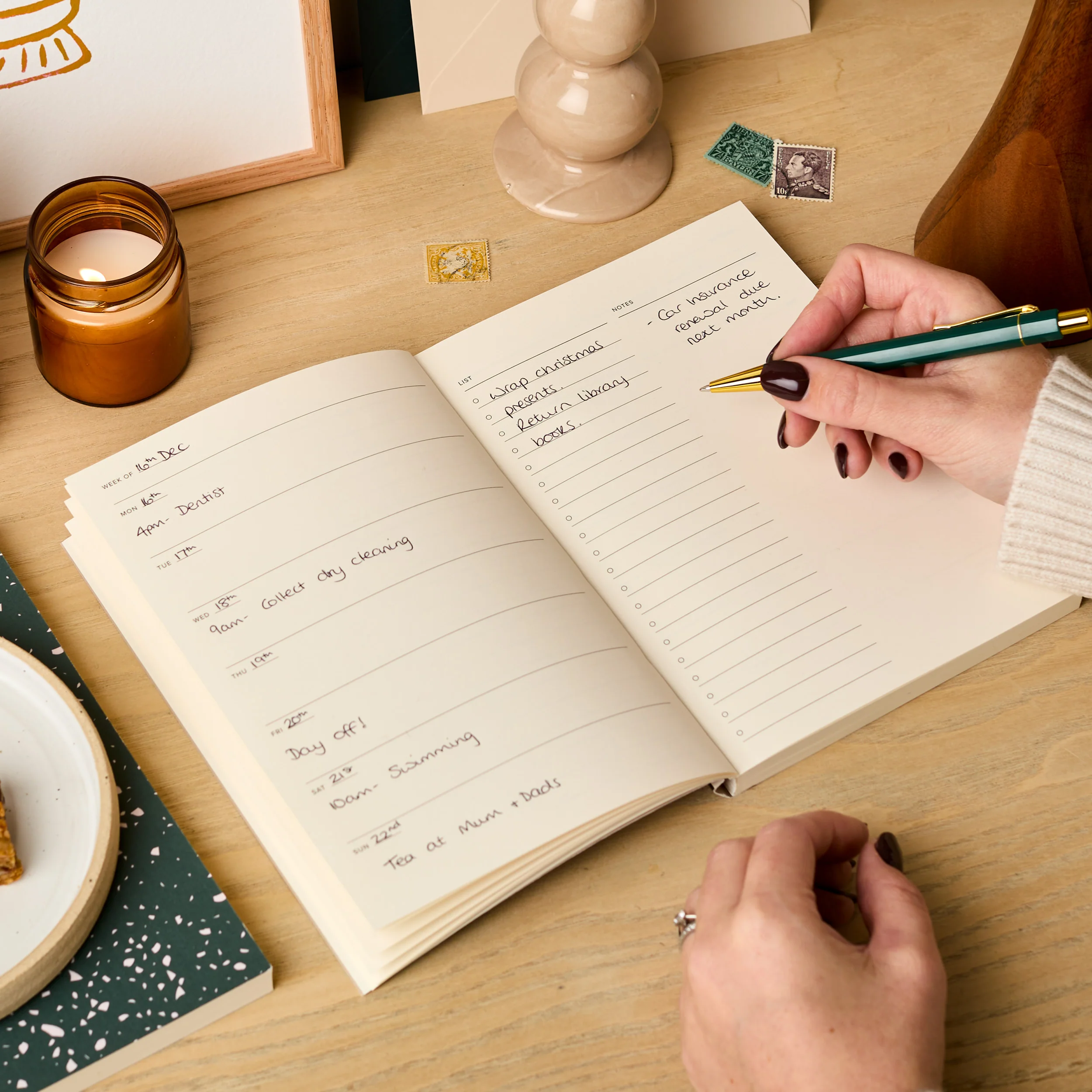
These examples show how the same questions lead to very different, equally valid evenings. They are illustrations to borrow from, never boxes to fit inside.
When start times move week to week, anchoring a routine to a clock rarely holds. Anchoring it to events instead, such as arriving home or finishing a meal, tends to travel better across shifting schedules.
If the first free moment arrives late, short and dependable beats long and occasional. A two-minute closing habit you actually keep can matter more than an elaborate plan you abandon.
Plenty of free time sounds ideal, yet without any edges an evening can drift. A gentle opening and closing signal often gives the freedom more shape, not less.
There is no required sequence. Some readers begin with a closing signal; others begin with the very first thing they do after arriving home. Start wherever feels easiest to keep.
One small action that marks the change from outside to home, chosen because it is easy to repeat rather than impressive.
The part that flexes with the day, whether that means company, a meal, a walk, reading, or simply rest.
A short, recognisable signal that the active part of the evening is finishing, kept the same on busy and quiet nights alike.
Everything on this page is general informational content about daily routines and personal organisation. It is not medical, psychological, or health advice, and it does not claim to change any condition. If something about your wellbeing concerns you, please speak with a suitably qualified professional.
Once you have a rough read on your lifestyle, the Evening page explores the building blocks you can arrange around it.